RSV (respiratory syncytial virus)
Updated: Feb 28
This guide is collabed with Natalie, an ER nurse (@naturalmamanurse), and Katie the PA (@katie.pac)
What is RSV?
RSV (respiratory syncytial virus) is a very common respiratory virus that most often affects babies and young children under age 2.
For many kids it looks like a mild cold with a runny nose, cough, or low fever - for these kids most parents don’t even know they have RSV. In some, especially those under 6 months, RSV can move into the lungs and cause pneumonia or bronchiolitis (the leading cause of hospitalization). The goal here is prevention.
Yearly Stats
Each year in the US, RSV leads to approximately:
2.1 million outpatient visits in children under 5
58,000-80,000 hospitalizations in children under 5
100-300 deaths in children under 5
The % of deaths out of all reported cases is 0.005-0.014%. While any death is a tragedy, stats show 99.98% of children with RSV do not die.
When to Seek Medical Attention
Fever under the age of 3mo with an unkown cause
Fevers lasting 7+ days
Febrile seizure
Increased work of breathing
Loud wheezing without break
Blue tinted lips or extremities
Excessive drooling and inability to swallow
Retractions
Apnea (long pauses in breathing)
Babies naturally have short periods of apnea. But if you are seeing longer pauses than normal, or it is paired with pale or blueish extremities/lips, then it is an emergency
Low oxygen saturation
Above 94% is ideal
90-93% do some support measures if it continues to be low or paired with other signs of distress seek medical attention
80’s or below or signs of distress go to the ER
Blood-tinged sputum
Lethargy or altered mental status
Not able to cry or talk from difficulty breathing
When your mom gut tells you something is wrong
Treating RSV Conventionally
Currently, there is no standard antiviral treatment that cures RSV. Care is focused on supporting the body while it clears the infection, and preventing secondary infections.
We will get into all of this next!
Medications such as bronchodilators and steroid inhalers have been studied for RSV, but have not consistently shown benefit. In more serious cases requiring hospitalization, treatment may involve IV fluids to prevent dehydration, supplemental humidified oxygen, and in very rare situations, breathing support with a ventilator.
The key to RSV is supporting the body, comforting the symptoms, and preventing secondary infections!
Supporting the Body at Home
Prioritize rest - you heal when you sleep!
Maintain hydration / breast-feed
Vitamin A
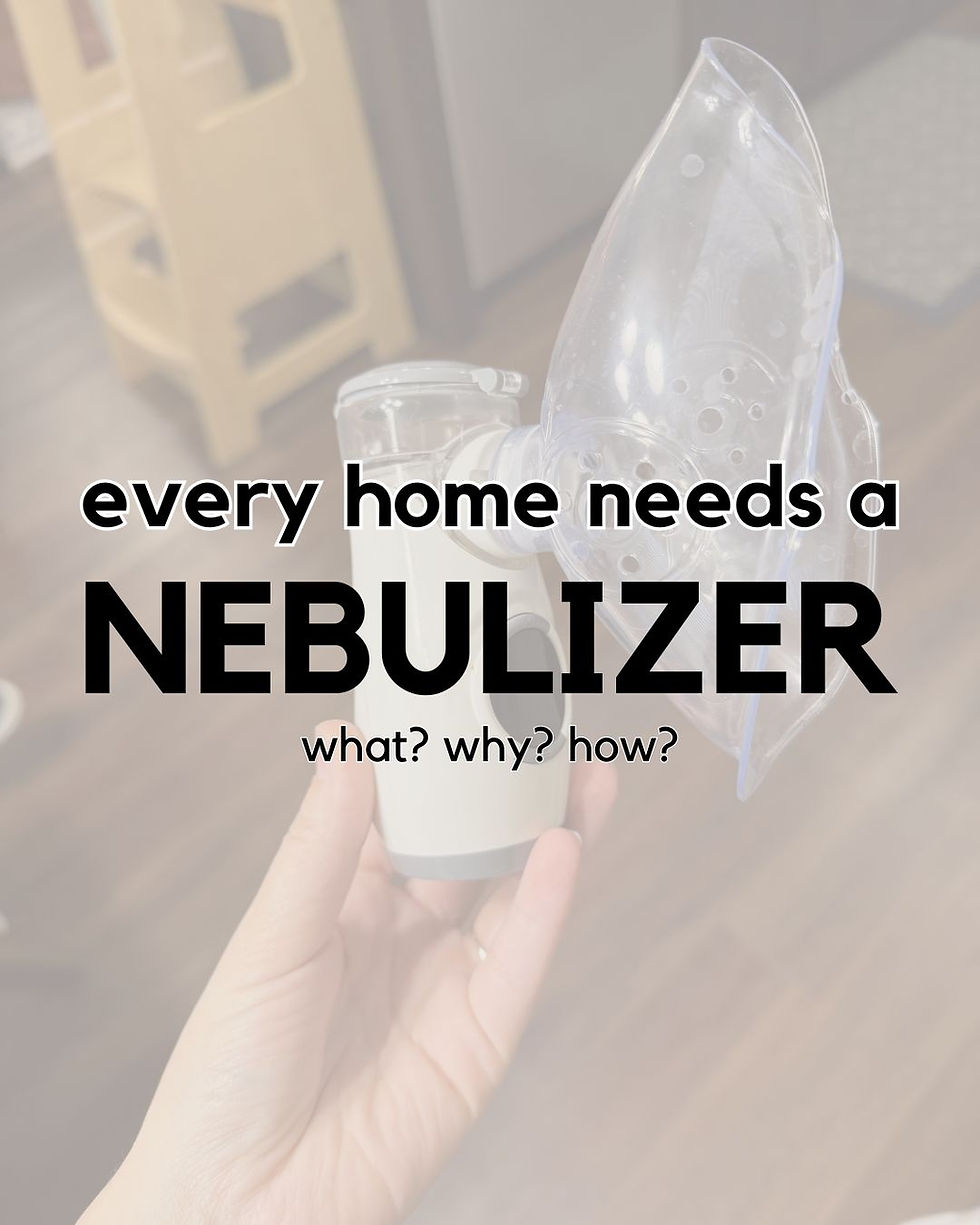
Nebulize saline
Humidifier
Nasal aspirator + saline
Steam showers
Chest percussions
Red light therapy
Skin to skin
Cold fresh air & sunshine
Bowl of onions/garlic when sleeping
Homeopathy
Bodywork
Lymphatic massage
Potato/onions slices on feet
Oregano and castor oil
Immunity support
Comfort fevers (don’t supress!)
Vitamin A
A study conducted in Japan, where vitamin A deficiency is uncommon, looked at the use of a single 100,000 IU dose of vitamin A in infants and young children (1 month - 4.5 years) with measles and RSV. Even in this well-nourished population, researchers observed meaningful benefits, and no adverse effects were reported.

I would NOT recommend giving Vitamin A supplementation outside of diet willy-nilly. Vitamin A is a fat-soluble vitamin, which means excess amounts aren’t easily excreted and can build up in the body, potentially leading to toxicity. But I would recommend having it on hand, and a reputable protocol bookmarked and supportive provider established. *Pregnant women should not take large doses of Vitamin A

Nebulizing Saline
Nebulizing delivers a fine mist directly into the airways, helping loosen thick mucus, and soothe irritated tissues. For kids especially, early airway support is very important. When congestion and inflammation build up, nebulized saline can help calm the lungs, thin mucus, and reduce the work of breathing before symptoms escalate. Look for 0.9% saline that contains sodium chloride only - no added minerals.
Nebulizing can often times prevent worsening breathing and infections like pneumonia. Safe for any age; 5-6x a day
Monitor Oxygen Saturation
Pulse oximeters are great devices to keep on hand. They clip onto a finger or toe and measure how much oxygen is circulating in the blood.
How to read a pulse ox:
When you put the pulse ox on the finger and turn it on, you will see wave lengths bobbing up and down. You want to wait and watch for an even waveform (looks like a jigsaw). It may take a while for kids, because they move. Don’t take the first number you see. You want an even waveform before you trust the number.
Humidifier
Humidifiers add moisture to the air, which helps keep both the nasal passages and lower airways from drying out during illness. When the air is moist, mucus in the nose, sinuses, and lungs stays thinner and easier to move, allowing the body to clear congestion more effectively.
Maintaining humidity in the range of 40-60% can also reduce transmission of pathogens (you can keep on eye out using a hygrometer). Safe for any age!
Nasal Aspirator + Saline
Nasal aspirators are designed primarily for babies because infants can’t blow their noses on their own. For older children who can usually blow their noses effectively, aspirators aren’t typically needed. For babies, put in a few drops or spray of saline, then suction. Or suction after a steam shower/nebulizer when mucus is already loose. DO NOT SUCTION DRY!!
Steam Showers
Turn the shower on as hot as it will go, close the door, and sit in the steam. This will help soothe and loosen mucus. If nursing, this is a great time to breastfeed baby! Also a great time to do chest percussions.
Chest Percussions
Chest percussion is a technique safe for any age where you rhythmically tap the chest or back when a cupped hand to help loosen mucus in the lungs. This helps prevent the mucus from pooling in the airways, and is especially helpful to do after nebulizing.
Red Light Therapy
RLT has been shown to reduce lung inflammation. Position your device a few inches from the chest and/or upper back. Lumebox discount link.

Castor Oil on Chest/Back
Castor oil is traditionally used to support lymphatic flow and circulation, which may help the body move fluid and inflammation. Gently massage onto back and chest to help reduce chest congestion.
Oil of Oregano
Put a drop in some coconut oil or other carrier oil and spread on the bottom of feet for immune support and antimicrobial properties. You must dilute!!!
Potato on Feet for Fever
Placing raw potato slices on the feet is a traditional remedy believed to help draw out heat and support circulation, which may provide comfort during fevers or respiratory illness like RSV. To use, slice a raw potato, place the slices on the soles of the feet, cover with cotton socks, and leave on for 30–60 minutes or during sleep. Check out my full 45-page fever guide.
Onions on Feet for Respiratory Support
Placing raw onion slices on the feet is a traditional remedy believed to support circulation and help the body release congestion. To use, slice a raw onion, place the slices on the soles of the feet, cover with cotton socks, and leave on for 30–60 minutes or overnight as needed.
Bowl of Onion / Garlic by Bed
Onion and garlic release sulfur-containing compounds into the air that have mild antimicrobial and decongestant properties, which may help loosen congestion and support easier breathing during sleep. Slice a fresh onion or lightly crush or chop 1–2 cloves of garlic, then place them in a small bowl near the bed overnight.
Breast-Feeding / Hydrate
Research suggests that breastfeeding is associated with a reduced risk of RSV-related lower respiratory infections in infants. Babies who receive breast milk, whether partially or exclusively, tend to have lower rates of RSV bronchiolitis compared to those who are not breastfed at all. For example, a large Italian study found RSV bronchiolitis occurred in 7% of infants who were never breastfed, compared to 3.9% in infants who had received breast milk, including both maternal and donor milk.
Skin to Skin
Regulates heart rate, breathing, temp, nervous system
Cold Air & Sunlight
Supports circadian rythm, boosts vit D and white blood cells, helps lung function
Homeopathy
Works best based on specific symptoms. Search your symptoms + homeopathy and see what fits best. I like national center for homeopathy’s remedy finder as a place to start.
Lymphatic Massage
Using coconut oil, apply gentle pressure and massage with slow strokes moving toward the heart or nearby lymph areas. Pay special attention to the armpits, belly, chest, and neck, keeping movements soft and soothing.
This will help support lymphatic drainage, which can assist the body in moving excess fluid and inflammatory waste during RSV. The slow, calming touch also helps relax the nervous system, which can improve breathing patterns and support rest.
Chiropractic / Bodywork
Chiropractic and craniosacral therapy may help some babies with RSV by supporting nervous system regulation, improving drainage, and reducing tension that can build up from coughing and congestion. Gentle work around the spine, ribs, and skull may help calm the autonomic nervous system, which supports easier breathing and better rest. These therapies may also support lymphatic and sinus drainage, While many parents report benefits, this is considered supportive care and should be used alongside, not instead of, medical treatment.
Supporting the Fever
A fever is a natural response to an infection or illness. It is a good sign, because it means that your body is fighting off the infection. The increased body temperature from a fever boosts the performance of immune cells and induces stress on pathogens and infected cells, providing a strong immune defense.
Why Let a Fever Do It’s Job
Since fevers are the body’s natural way of fighting off illnesses, reducing a fever can actually prolong the illness or infection. Fevers also trigger immune cells to recruit and activate T-cells, which coordinate long-term “adaptive” immune responses sich as antibody production. By letting a fever run it’s course, you are also providing better protection for future illnesses.
Natural comfort measures include:
Rest, hydration, peppermint oil, wet sock trick, red light therapy, magnesium chloride baths, cool compress, potato/onions in socks, skin to skin, breastmilk, homeopathy, herbal pain meds, lympathic massage. Learn more here.
Immune Support
Vitamin C - The Front Line Fighter
Vitamin C is a powerful antioxidant that protects immune cells from damage caused by free radicals, and enhances the function of white blood cells responsible for attacking pathogens.
Vitamin D - The Immune Regulator
Vitamin D prevents excess inflammation and supports the activation of T-cells, the immune cells that target infected cells.
Zinc - Infection Fighter & Repair Specialist
Zinc possesses direct antiviral Properties. It helps wound healing, enzyme function, and supports the production and activation of immune cells. Zinc has been shown in laboratory studies to inhibit RSV replication (PMID: 14982765)
Magnesium - Inflammation Modulator
Magnesium helps regulate inflammation and supports the activity of natural killer cells and white blood cells. It is estimated that between 48-60% of Americans are magnesium deficient.
Preventing RSV
Quality sleep
Immune support
Reduce germ exposure in babies under 6 months
Stay away from people who are sick
Babywear if concerned and going to be in large groups
Wash hands / avoid touching face
Anti-inflammatory diet and life style
Breast feed
studies show nursing reduces RSV severity
Have people wash hands before holding baby
Keep baby away from smoke
Daily Vitamin D drops
low vitamin D is associated with more severe RSV
RSV Monoclonal Antibodies for Babies - Nirsevimab (Beyfortus, Synagis)
First, let’s acknowledge this is not a vaccine. It’s a monoclonal antibody injection. Vaccines work by teaching the immune system to recognize and remember a virus, so your body can make its own long-term protection if you’re exposed later. Monoclonal antibodies don’t train the immune system; they give ready-made antibodies that offer immediate, short-term protection or help the body fight an infection right away.
When it it typically recommended?
Many pediatricians recommend to babies under 8 months during the winter season or to immunocompromised/higher risk children up to 24 months
How it’s made:
It is a lab-made monoclonal antibody created using genetically engineered hamster ovary cells to produce the antibody proteins. After production, the antibodies are formulated with small amounts of amino acids, sucrose, polysorbate 80, and water to create the final injection.
Side effects:
The primary safety concern noted is the possibility of an allergic reaction, though the true frequency of this rare response is still unclear. A recent analysis published in a Japanese medical journal reviewed data from two clinical trials and observed a higher incidence of non-RSV–related complications, including stroke, blood clotting events, and hypotonic hyporesponsive episodes, among those who received the injection compared to those who did not. Overall, serious adverse events were reported at a rate of approximately 1 in 1,600 doses.
RSV Vaccine for Pregnant Women - Abrysvo
Abrysvo is a true vaccine, so it’s designed to teach the immune system to recognize and remember a virus, so your body can make its own long-term protection if you’re exposed later
When it it typically recommended?
This is commonly recommended during pregnancy between 32-36 weeks to help protect both the mother and her baby from RSV-related lower respiratory illness.
Ingredients:
RSV perfusion proteins, tromethamine, sucrose, mannitol, polysorbate 80
Manufacturer warnings & precautions:
While rare, Guillen-Barre syndrome, preterm birth, syncope, altered immunocompetence
Clinical trials showed a numerical increase in preterm births among those who received the RSV vaccine compared with placebo, though a causal relationship has not been established. Post-marketing safety monitoring through VAERS found that among reported preterm birth cases, the median time from vaccination to onset was three days, with many reports occurring within one week, which contributed to limiting approval to 32–36 weeks’ gestation.
Trials also noted slightly higher rates of preeclampsia and gestational hypertension in the vaccinated group. It is currently unknown whether the vaccine is excreted in human milk or what effects it may have on a breastfed infant.
Comments