Constipation
Updated: 4 days ago
This is not medical advice
Constipation, like eczema, is hard one because there’s about a thousand possible treatments dependent on a thousand possible causes. The most common causes are life-style related - like diet and dehydration, but can range anywhere from medication to dysbiosis, to hormone imbalance, to vagus nerve dysfunction, you name it.
If you or your child is struggling with chronic constipation, I would highly recommend establishing yourself with a root cause doctor. You shouldn’t have to try and navigate this alone! That may look like a pediatrician, nurse practitioner, chiropractor, frequency medicine doctor, whoever you trust and truly has a functional mind, body, and spirit root cause approach - not just slapping on a band-aid and calling it a day.
Alright. Let's get started.
What is Constipation?
Constipation is generally defined as having fewer than three bowel movements per week, accompanied by hard, dry, or lumpy stools, and often involving excessive straining or a feeling of incomplete evaluation. It occurs when waste moves too slowly through the digestive tract.
Pooping 1-3 times a day is considered healthy and normal; every other day is considered ok if it’s not hard or painful. I personally believe everyone should be aiming for a minimum of once per day.
Chronic Constipation Can Lead To...
Impacted, painful stool
Pelvic floor strain and prolapse
Anal fissures
Hemorrhoids
Inflamed colon
Reabsorbed toxins
GI complications
Microbiome and digestion disruption
Urinary retention
Recurrent UTIs
Bedwetting
Skin issues
Mood changes
Fear of pooping
Picky eating
Appetite issues
Hormone imbalance
...just to name a few

Constipation Root Cause
Similar to eczema, constipation is tricky, because there’s a never ending list of what could be the root cause and it’s going to differ from person to person.
Dietary factors
Low fiber intake
Inadequate fluid intake / dehydration
High intake of ultra-processed foods
Low intake of whole foods, fruits, and vegetables
Excess dairy in some individuals
Sudden dietary changes
Food sensitivities (gluten, dairy, etc.)
Low magnesium intake
Very high protein diets without adequate hydration/fiber
Gut function & microbiome
Dysbiosis (imbalanced gut bacteria)
Low microbial diversity
Post-antibiotic gut changes
Slow colonic motility
Irritable bowel syndrome (IBS-C)
Small intestinal bacterial overgrowth (SIBO)
Fungal overgrowth
Chronic inflammation in the gut lining
Nervous system & brain-gut connection
Chronic stress
Sympathetic nervous system dominance (fight-or-flight state)
Poor vagus nerve tone affecting digestion and motility
Autonomic nervous system dysregulation
Trauma or chronic nervous system activation
Structural & physical contributors
Pelvic floor dysfunction
Rectocele or anatomical changes after pregnancy
Hernias
Scar tissue/adhesions from surgery
Lack of physical movement or sedentary lifestyle
Ignoring urge to go over time
Hormonal influences
Hypothyroidism
Estrogen/progesterone imbalances
Pregnancy
Postpartum hormonal shifts
Perimenopause/menopause
Elevated cortisol from chronic stress
Medications & supplements
Iron supplements
Calcium supplements
Opioids
Antidepressants
Anticholinergic medications
Antacids containing aluminum or calcium
Overuse of stimulant laxatives (can worsen long-term motility)
Electrolyte & mineral imbalances
Low magnesium
Low potassium
Sodium imbalance
Dehydration affecting electrolyte status
Lifestyle patterns
Irregular eating schedule
Skipping meals
Travel or disrupted routines
Poor sleep
Shift work / circadian rhythm disruption
Medical conditions
Diabetes
Parkinson’s disease
Multiple sclerosis
Ehlers-Danlos syndrome
Chronic kidney disease
Colon disorders or obstruction
Early life & developmental influences
Birth interventions affecting gut microbiome
Formula vs. breastmilk differences in infancy
Early antibiotic exposure
Delayed potty training dynamics or withholding behaviors
Mind-body & emotional contributors
Anxiety around using public bathrooms
History of painful bowel movements leading to withholding
Control patterns or chronic tension in the body
Cranial & nerve-based perspectives (often discussed in functional or osteopathic models)
Restrictions in cranial bone mobility (“cranial plates”) that may influence nervous system signaling
Vagus nerve dysfunction impacting gut motility and digestive secretions
Tension in the upper cervical spine affecting parasympathetic signaling
Birth strain patterns affecting cranial nerves
Nervous system dysregulation reducing the body’s “rest and digest” response
Environmental factors
Low exposure to natural light and circadian cues
Chronic toxin exposure
Mold exposure in some cases
Limited outdoor movement
If you think you’ve “tried it all,” I promise that you haven’t. But I get it can be incredibly overwhelming. This is why I think it’s so important for everyone to be established with a root cause doctor, not a quick fix doctor. That may look like a ped, NP, PA, chiropractor, frequency med doc - whoever you trust!! You shouldn’t have to do this alone.
But if who you’re with just keeps suggesting miraLAX and suppositories over and over...it may be time to find someone new.
My friend Becca is the constipation queen. Seriously. Her daughter’s root cause ended up being vagus nerve disruption from how her skull plates fused due to an incredibly fast birth. Who would have known!?
If You Need IMMEDIATE Relief
If you or your child is severely constipated and it has been several days without a bowel movement, most likely the stool has become compacted and hardened near the end of the colon. In this situation, natural tips and tricks taken orally are unlikely to soften what’s already hardened at the rectal end, because most of them work higher up in the digestive tract rather than directly at the site of impaction.
Talk to your doc when stool is impacted like this, a glycerin suppository or a saline enema may help stimulate and soften the blockage so it can pass.
This is fine short-term, but if it becomes chronic your doc should start working with you on nailing down the root cause.
Let's Chat MiraLAX
I’m not going to tell you to never use MiraLAX. That’s between you and your provider, but I have had multiple people tell me their dr has had them on it for YEARS. One in particular wasn’t even having bowl issues after gallbladder removal, but her dr told her as a precaution to just take it every day. She’d been on it TEN YEARS.
The problem with long-term use of MiraLAX is that it doesn’t address the root cause. Over time, some people feel reliant on it because those underlying factors have not improved. Since it pulls water into the colon, it also increases fluid needs and may worsen imbalance if someone is already dehydrated or low in minerals.
Another confusion I have received quite a few times is that MiraLAX is "all natural." I'm not quite sure where that confusion has come from. MiraLAX’s active ingredient is polyethylene glycol 3350 (PEG 3350).
It’s a synthetic compound manufactured through industrial chemical processes, and the raw starting materials used to make polyethylene glycols are typically derived from petroleum. That said, the final ingredient used in medications is highly purified and regulated for pharmaceutical use, but I definitely wouldn’t consider it “all natural.”
Root Cause Cont...
I still advise anyone with chronic constipation to establish themselves with a root cause doctor, but in the meantime I feel like the logical place to start when trying to narrow down what’s causing the constipation is dietary and lifestyle factors.

Increase hydration with added minerals/electrolytes
Ensure adequate fiber intake (I would start with soluble fiber)
Limit inflammatory foods - processed dairy/foods, sugar, gluten
Up magnesium intake - specifically magnesium citrate
High quality probiotic (BB-12 and HN019 strains)
You need to be consistent! You can’t try a remedy or lifestyle change for one day and call it quits if you don’t see quick results. It takes time.
Bodywork for Constipation
I would also get your child in with a chiropractor and/or craniosacral therapist, especially if chronic. Depending on insurance or cash pay, chiros typically are more affordable (at least from my experience). So start there. Give them a few weeks...if nothing, you can give a CST a try. Or better yet a chiro who IS a craniosacral therapist.
Chiropractic care looks at constipation through a nervous system and structural lens. The nerves that control bowel motility exit the lower spine and sacrum, so restricted movement or tension in these areas may affect how the gut functions. Adjustments aim to improve mobility and support nerve communication to support more regular bowel movements.
Craniosacral therapy uses gentle work with the skull, spine, and sacrum to calm the nervous system and support communication between the brain and digestive tract. By encouraging parasympathetic activity and healthier vagus nerve signaling, it may help the body relax and improve gut motility.
Probiotics for Constipation
Probiotics restore balance in the gut microbiome, which plays a direct role in how quickly and efficiently the intestines move. When beneficial bacteria are present in the right amounts, they help break down fiber, create compounds that gently stimulate the intestines to contract, and support proper water balance in the colon so stool stays softer and easier to pass.


Magnesium for Constipation
The best form of magnesium for constipation is typically magnesium citrate. Magnesium citrate is bound to citric acid, which enhances absorption. It’s commonly used for digestion support because it draws water into the intestines and relaxes the smooth muscle in the digestive tract, making it a natural laxative.
Suggested Use: 300 mg (adults) before bed should produce a bowel movement the next morning; increase to 400 for more intense constipation. This form is not recommended if you already have regular bowel movements, as this can push them to the looser side.
Dosing for children:
Infants (under 1 year): The dosage varies from 30 mg to 75 mg, which is typically met through breast milk or formula.
Children 1-3 years: 80 mg per day is the RDA (with about 65 mg/day recommended coming from supplements)
Children 4-8 years: 130 mg per day is the RDA (with about 110 mg/day recommended coming from supplements)
Children 9-13 years: 240 mg per day is the RDA (with about 200 mg/day recommended coming from supplements)
Teens 14-18 years: 410 mg per day for boys and 360 mg per day for girls is the RDA (with about 300 mg/day recommended coming from supplements)
If already struggling with constipation, I prefer liquid or powder - or even chewable. Opposed to something gummy.
Our Constipation Magic Juice
Our swear by remedy is what I call our “constipation magic juice.” It has never failed us once for either of my kids. Now keep in mind, neither deal with chronic constipation and ours is typically always diet related.
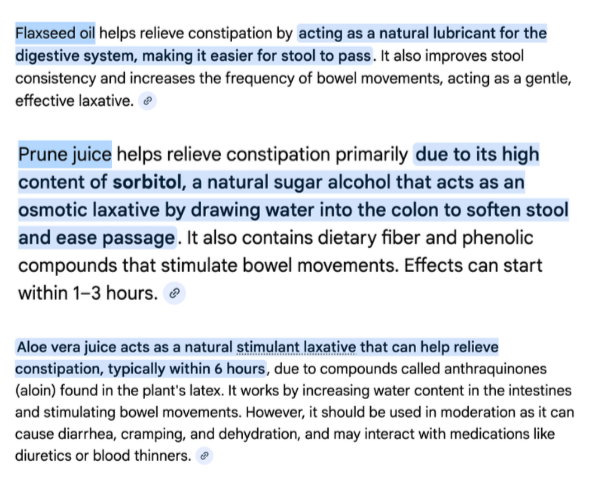
1 tsp flaxseed oil in 4 or so oz prune juice
Do this daily until things soften up
Aloe vera juice is also effective, can mix a bit in with the prune
*before 12mo I would just put flax oil in a bottle with formula/BM
Movement Bath:
for supporting the body’s natural ability to “let go”
½ c baking soda
1-2 c Epsom salt
Soak 20-30 min in warm water (10-15 for babies)
Drink water before and after to stay hydrated
A warm bath on it’s own relieves tension and the abdominal and pelvic muscles, which can help relax the body and bowel-holding tension.
Adding baking soda supports a parasympathetic “rest and digest” state that encourages digestion and bowel movement. It also helps relax the sphincter muscles to that the body can easily release more stool.
Baking soda (or Epsom salt) also supports detox pathways by drawing out toxins through the skin.
Epsom salt (magnesium sulfate) absorbs into the skin and can relax the intestines and muscles that control the movement of the bowels.
Additional Constipation Remedies to Try
CLICK TO ENLARGE
Constipation treatments are not a one size fits all. What works for one person may not work for the next, depending on root cause and severity. Choose a couple that resonate with you, give them a solid try, and move onto the next set if those don’t work. And remember, consistency is key. You can’t try one remedy one time and give up within an hour if there’s no movement. I would give at least a week.
Usually our magic constipation juice is all we need, but if I found myself in a more severe situation and I knew that the stool wasn’t compacted here’s an example of what I might try given the things we have on hand:
Schedule with our chiropractor
Serve a glass of our constipation magic juice
Since I have it on hand I’d probably include Earthley’s Gut Health Oil
Ensure adequate hydration with DIY electrolyte: pinch of sea salt & 1/8tsp cream of tartar
Mix coconut oil into whatever foods I can throughout the day
Red light therapy on belly every 6 hours
Epsom salt and baking soda bath
Followed by “I Love You” belly massage with castor oil
Or castor oil liver pack for older kids/adults
And magnesium lotion/oil on lower back
*I would do #7-10 before bed since the pelvic floor and abdominal muscles naturally relax while sleeping, and the parasympathetic nervous system is more active.
**If constipation is chronic, you need to be working with a root cause provider!!
A note on WITHHOLDING
I can’t speak too much on this since it is not something we’ve experienced knock on wood. But the lady who wrote our potty training method, “Oh Crap Potty Training,” (Jamie Glowacki) has some great resources.
NO GALLBLADDER?
If your GI issues are stemming from having your gallbladder removed, I can’t promise this will fix all your problems - but this is the protocol that has significantly helped my husband.


Comments