How to Treat Measles
Updated: Feb 28
*This is for informational purposes only and is not medical advice. Always consult with a qualified healthcare professional before making decisions for yourself or your child.
First, Remain Calm & Remember the Facts
PRE-VACCINE the chances of dying from vaccines was ~0.01%.

Measles Didn't Used to be Feared Like it Is Today

Most measles-related deaths are caused by secondary complications. The most common is pneumonia, followed by the much rarer complication, encephalitis. SSPE is another, even more rare complication, that is often left out of the conversation.
SSPE stands for subacute sclerosis panencephilistis. Which is an extremely rare neurological condition that can develop years after a measles infection. The highest risk is in children under 2, and it seems to affect boys more often than girls. At this time there’s no “cure,” and the best protection is MMR (although note the SSPE is noted on the package insert of the vaccine, as well. Incidence from the vaccine is not know). Large scale trials haven’t been able to be held due to the rarity of the disease.
The CDC estimates a risk at roughly ~0.007-0.011% for the general population. Children under 2 could be at a potentially higher risk at around ~0.02-0.07%
Now encephalitis...(we'll get to pneumonia further on down).

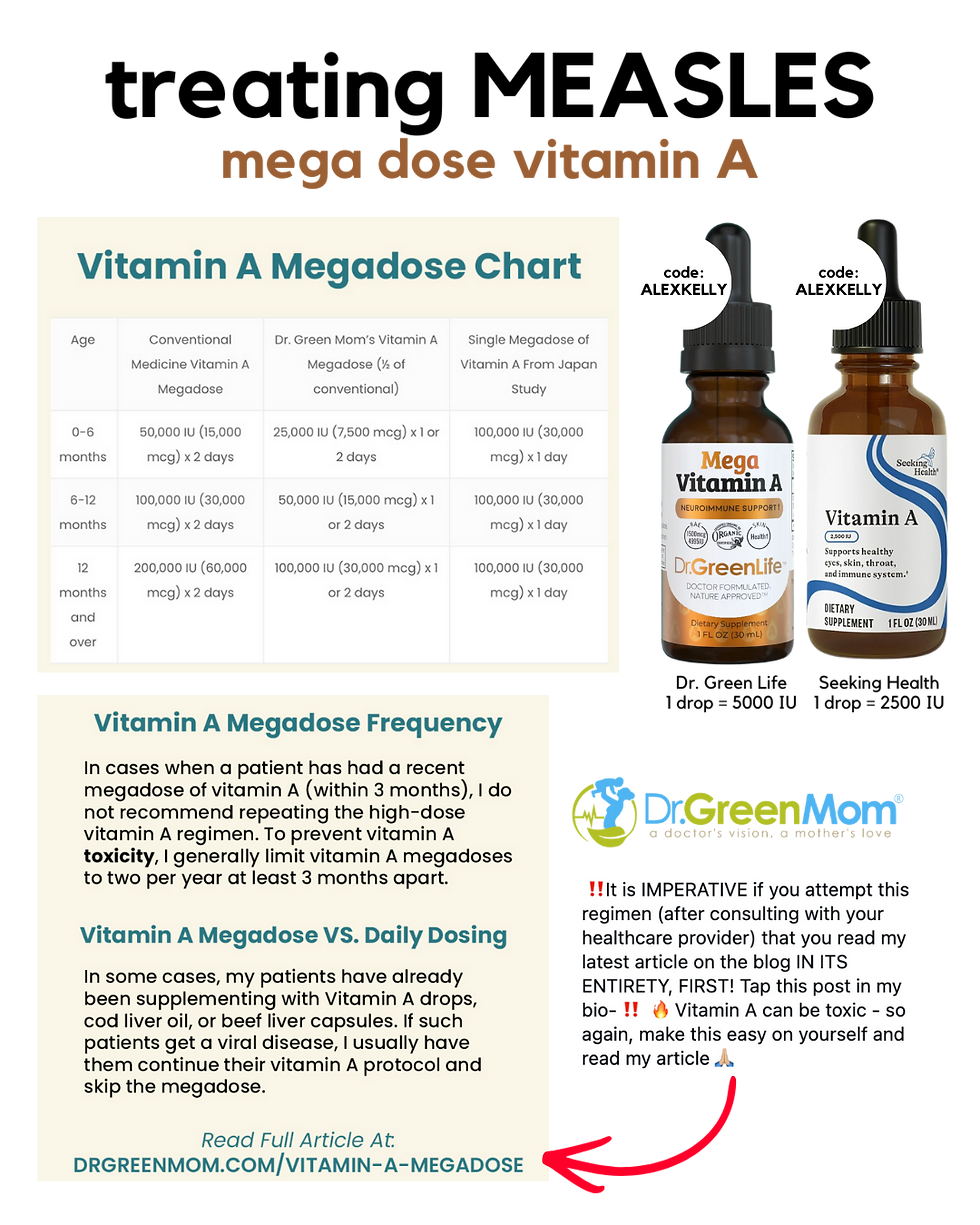
VITAMIN A: the tried and true Measles treatment

A study conducted in Japan, where vitamin A deficiency is uncommon, looked at the use of a single 100,000 IU dose of vitamin A in infants and young children (1 month - 4.5 years) with measles and RSV. Even in this well-nourished population, researchers observed meaningful benefits, and no adverse effects were reported.


I would NOT recommend giving Vitamin A supplementation outside of diet as a prevention, unless advised by your healthcare provider. Reserve this for acute infection. Vitamin A is a fat-soluble vitamin, which means excess amounts aren’t easily excreted and can build up in the body, potentially leading to toxicity. I WOULD recommend having it on hand, and a reputable protocol bookmarked and supportive provider established.
*Pregnant women should not take large doses of Vitamin A
Understand, DON'T Fear the Symptoms

Pneumonia Prevention
Most measles-related deaths are caused by secondary complications. The most common is pneumonia.
Pneumonia develops when a respiratory infection causes inflammation deep in the lungs, allowing fluid or mucus to fill the air sacs instead of air. It happens when this buildup overwhelms the lungs’ ability to clear it on their own. The key to pneumonia is prevention.
Anytime a child (or adult) is sick with a respiratory illness it’s important to focus on THINNING AND MOVING MUCUS!!!
View my full pneumonia guide written with an ER peds nurse practitioner
Support the Fever
Support the Cough
Suppressing a cough can allow mucus, germs, and irritants to build up, making it harder for the body to heal and breathe properly. Instead consider supportive measures.

Support the Nose and Throat
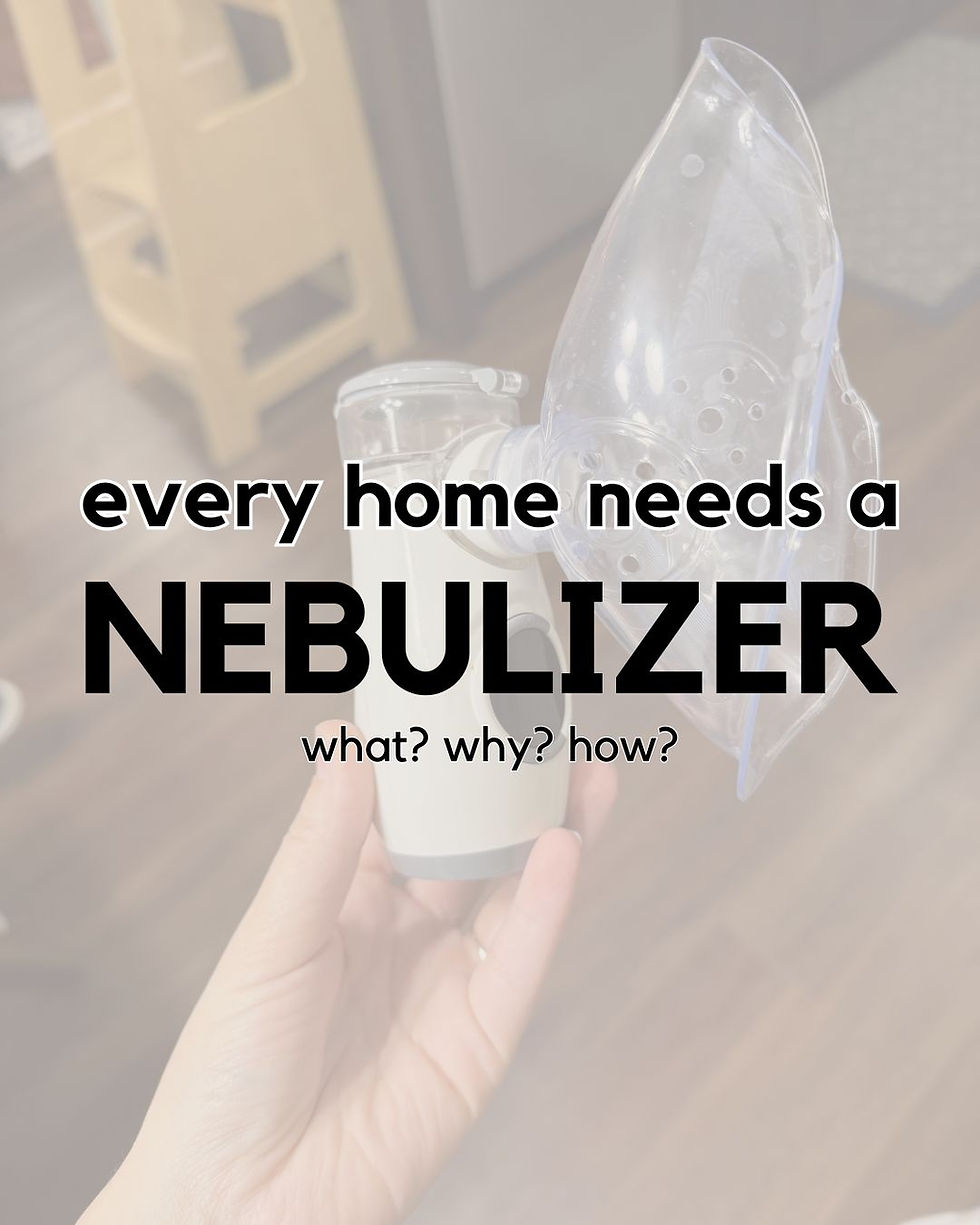
Keep mucus thin and moving by things like nebulizing saline, humidifiers, steam showers, nasal irrigation, suctioning, etc.
Shop respiratory & throat support on Amazon

Gargling salt water: can soothe throat & reduce inflammation. mix 1/2 tsp of mineral rich salt into 8oz of warm water and gargle multiple times a day
Warm fluids: like bone broth, tea, honey/lemon water
Raw honey: can add a tsp to warm water/tea, or take directly (1yr+)
Support the Rash
SOOTHING & ANTI-INFLAMMATORY BATHS:
Oatmeal: anti-inflammatory, calms irritation
blend 1c organic (ideally glyphosate free) oats into a powder and add to bath water and soak for 15-20 min. Or can place whole oats into a mesh type baggie.
Epsom Salt and/or Magnesium: reduces inflammation, soothes muscles, and supports detoxing
add 1-2 c to bath
Baking Soda: relieves itching, skin healing
½ c baking soda to bath, soak 10-15 min
Herbal with Chamomile or Calendula: anti-inflammatory and soothing
Brew 2-3 chamomile or calendula tea bags and pour into bath

Homeopathy Considerations

Immunity Support
Vitamin C - The Front Line Fighter
Vitamin C is a powerful antioxidant that protects immune cells from free-radical damage and enhances the function of white blood cells that fight pathogens. It also supports your body’s natural defenses and may help shorten the duration and severity of illness.
VITAMIN C WE'RE TAKING:
I have a few favorite Vitamin C's depending on the need:
For a lower dose Vitamin C we use Mary Ruth's (15mg per 1mL)
For adults, we take Camu Supreme (or Bulk Supplements below) and take 4-6/day when sick (or up 3,000-5,000 mg)
For high dosing I like:
Bulk Supplements powder (2,000 mg per 3/4 tsp) *easy to portion out smaller doses
Bee Keeper Natural's Liposomal (1,000 mg per packet) *contains honey
When might you use higher dosing?
When actively sick
Vaccine prep / detoxing (~1,000 mg per age)
Vitamin D - The Immune Regulator
Vitamin D supports the immune system by helping regulate immune responses and preventing excess inflammation during infection. It also supports the activation of T-cells, the immune cells that recognize and target infected cells, helping your body respond more effectively when you’re sick.
VITAMIN D WE'RE TAKING
Currently we are loving Seeking Health
1 drop is 500mg, so it's super easy to customize for any age/dosing.
We used to take Mary Ruth, but it's $1.16 per 1,000 IU whereas Seeking Health is $0.062 per 1,000 IU - so astronomically more affordable.
For adults, we also take Seeking Health or Biotics Research and do 5,000-10,000 IU daily when sick
Zinc - Infection Fighter & Repair Specialist
Zinc supports immunity by helping with enzyme function, wound healing, and the production and activation of immune cells. It also one of the top antiviral minerals which can help limit viral replication and support a stronger, more effective immune response when you’re sick.
ZINC WE'RE TAKING
I like Trace Minerals because there's added beneficial minerals, and is dosed in a way that's customizable for almost any age.
I do one drop daily for my 19 and 2 drops for my 4 year old.
For adults we do about 1/4 tsp
Magnesium - Inflammation Modulator
Magnesium supports immune health by helping regulate inflammation and supporting the activity of natural killer cells and white blood cells. Because magnesium is involved in hundreds of enzymatic processes in the body (and an estimated 48–60% of Americans are deficient) adequate levels are especially important for a resilient immune response when you’re sick.
We do daily mag lotion/balm on our kids, and when sick we do epsom salt or mag flake baths. This is an easy way to get in added magnesium without another oral supplement.
MAGNESIUM WE'RE TAKING
Topical
Trace Minerals (contains phenoxyethanol)
Bath Salts
Oral options
Elderberry and Briar Rose are other great considerations, and of course Vitamin A.
Remind yourself that your child will now have life long immunity!

One thing to keep in mind, measles does cause “immune amnesia” where the virus essentially wipes out immune memory cells, forcing the body to “forget” previous protection against other pathogens for months to years. It sounds scary, but the good news is the immune system CAN rebuild - and it’s a whole lot easier when you’re young!

Comments